
Everything Is a Bit: Why Online Culture Can't Take Anything Seriously Anymore
The Rise of Gen Z Nihilism in Online Culture
By: Elle Lignarolo
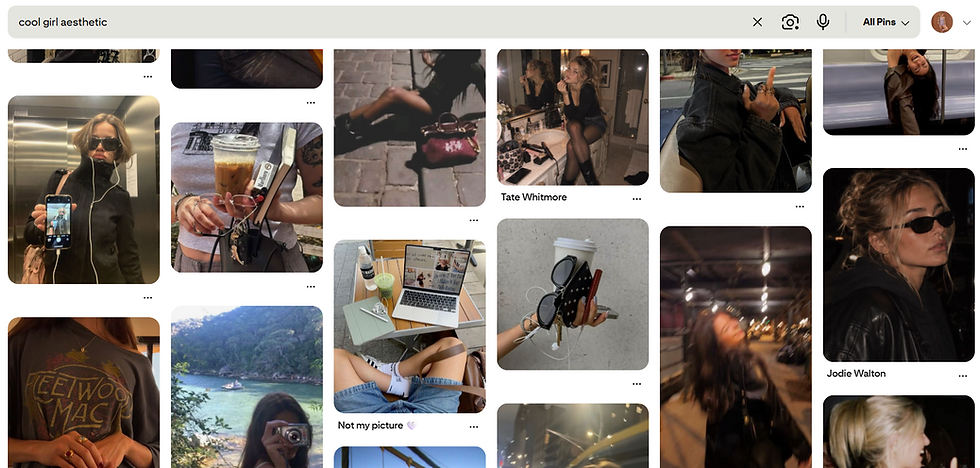
With trends online surrounding “millennial optimism,” I recently began to notice something. By “millennial optimism,” I mean the countless videos posted either by millennials sharing candid photos from their mid-late twenties, or by Gen Z posting photos they found of this era on Pinterest.
The quality and content of the photos, whether everyday activities covered by heavy filters or outdated quotes framed against sunsets and coffee cups, all seem to carry the same nostalgic optimism: a belief that things were more simple and hopeful. It made me begin to wonder if Gen Z has any real counterpart.
I first thought about some opinion pieces my professor had shown me and remembered seeing posts on TikTok and Instagram throwing around the term “Gen Z nihilism.”
After looking up the term, I saw an influx of posts on my feed talking about meme warfare. This is a whole other thing on its own, and it got me to think about what this all actually means.
From my understanding, “Gen Z nihilism” is the term used to describe a pattern of detached, dark humor and commentary coming from young people online. These patterns are loosely nihilistic in nature, and seem reflective of a more hopeless worldview.
When speaking with others my age, the subject of politics often becomes a conversation filled with strong opinions and a distrust in politicians and institutions. These conversations parallel many posts I saw online of people rationalizing seemingly negative events — like failing exams or cheating on significant others — because of the justification: we’re all just on a floating rock.
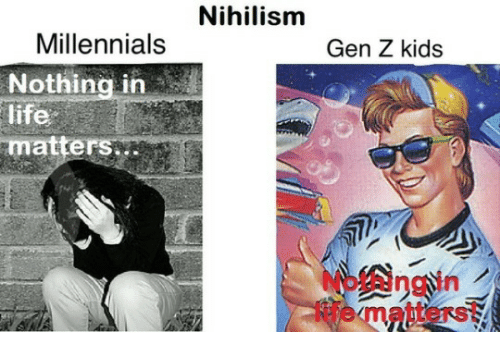
This association seems silly, but I remember noticing more of these posts during the pandemic era, clearly stemming from the relentless stream of negative news, leading many to feel fatigued.
In the post-pandemic world, with much higher screen times (I am guilty of this too with the way I catch references that require 10+ daily hours of screentime), this increased time online has contributed to growing feelings of anxiety and the overall growth of nihilistic perspectives amongst Gen Z.
This wave of screentime and doomscrolling has clearly led to desensitization of Gen Z to tragic events. There have been many times where in between funny videos I will see a tragic news story or true crime related video and just keep scrolling without really sitting with what I've just watched.
This leads me to think that maybe the generalizations of Gen Z as nihilistic are avoiding the true nature of dread amongst many young adults. Absurdist memes and jokes like “we're so cooked” act as ways of processing this dread rather than actually believing that nothing matters.
I would personally like to believe this is true. We do still care, and there are great feelings of empathy amongst our generation. These feelings are just, unfortunately, suppressed in the name of processing things quickly and lessening feelings of dread around cultural moments that are out of our control.
Ultimately, this ties back to the question of what our counterpart to “millennial optimism” might be. Maybe we are drawn to these trends because we’re envious of those times and their political landscapes, as well as the feelings of security they brought — compared to the unrest of today's “post-truth world,” where shared facts feel harder to come by.
Even so, maybe “millennial optimism” wasn't as certain as it looked from here, either. It's easy to romanticize a decade you didn't really live through as a conscious adult.
What I do know from real life interactions with friends is that there is so much compassion in our lives. Outside of bigger conversations regarding politics or culture, the small and everyday moments are still met with empathy and humanity.
None of this means the bigger issues stop mattering. But maybe what we should focus on is this compassion, not the nihilism we perform online.
Elle Lignarolo is a Junior majoring in English and Econ! She’s very excited to be working with Rowdy and was nervous about this article!


Comments